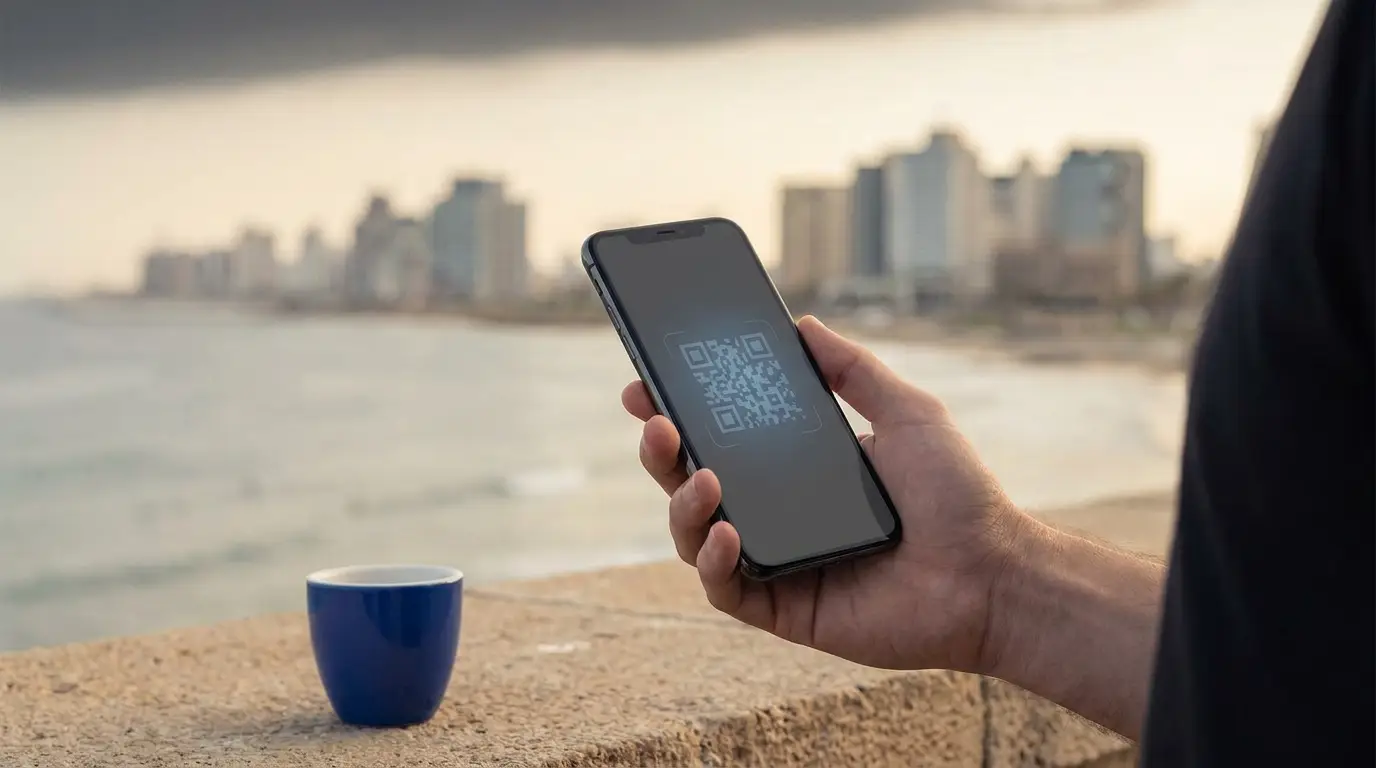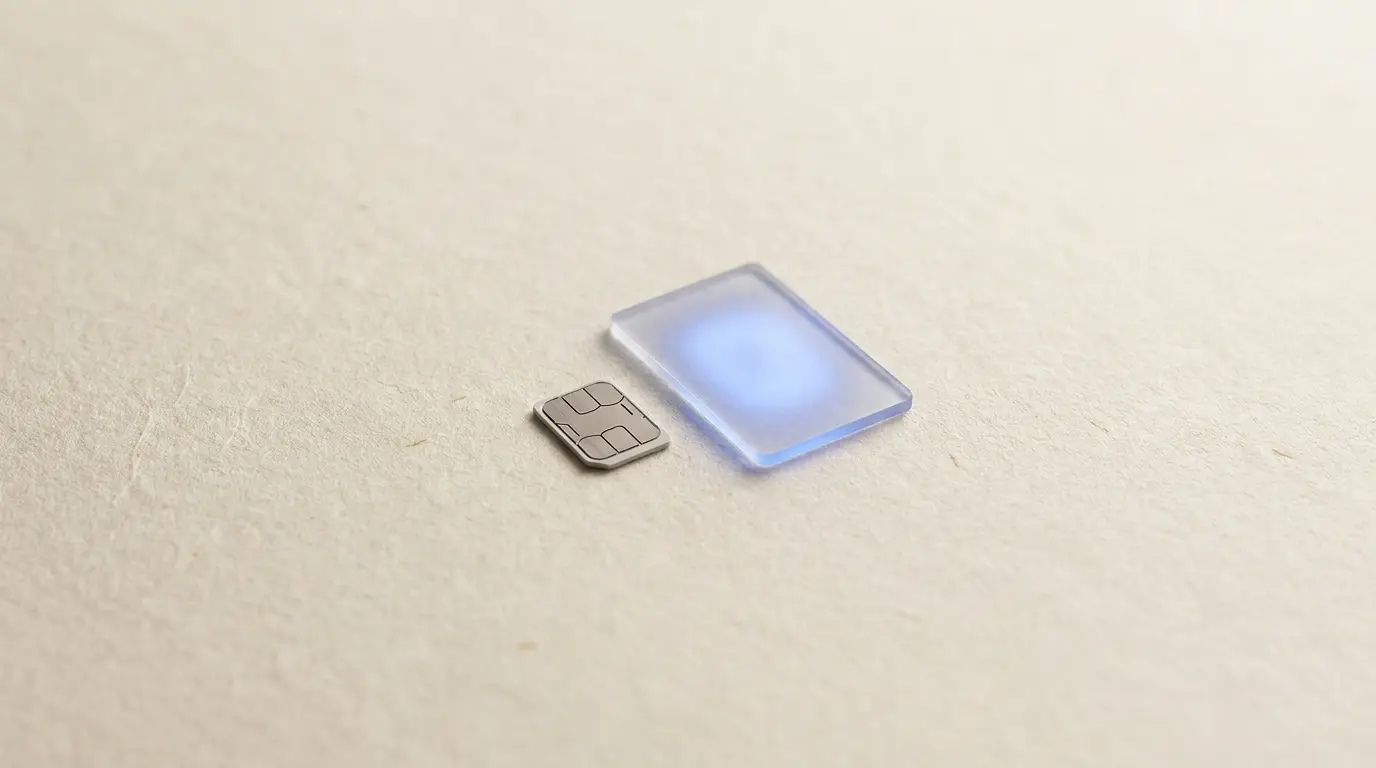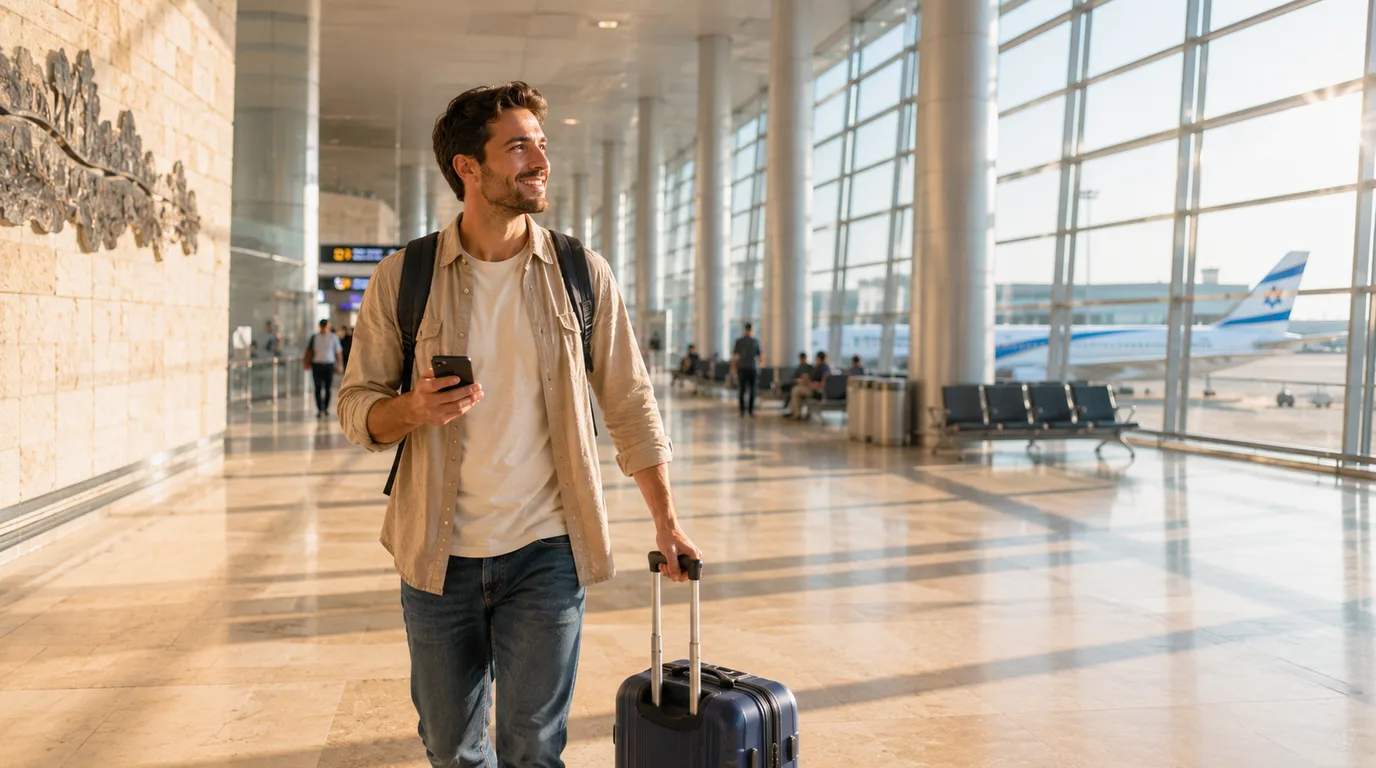
Short answer: you need mobile data in Israel, but you no longer need a physical SIM card. In 2026, the easiest way for a tourist to stay connected is an eSIM — a digital SIM you install by scanning a QR code before you even land. No airport queues, no swapping cards, no losing your home SIM.
Your three options as a tourist
| Option | Cost | Setup | Downside |
|---|---|---|---|
| Carrier roaming | €5–€15 / day | Automatic | Expensive, easy to hit caps and bill shock |
| Physical SIM at the airport | Varies | Queue on arrival, swap your SIM | Wastes arrival time, you lose your home number |
| eSIM (recommended) | From €24.99 / trip | Scan a QR code before you fly | Requires an eSIM-compatible phone |
Getting ready for your trip to Israel?
Pick a plan that matches how long you are staying, and arrive already connected.
- from $28.99Choose
Basic · 20 GB
7 to 60 days
- from $34.99Choose
Medium · 50 GB
Most popular - from $44.99Choose
Pro · 100 GB
7 to 60 days
- Israeli number included
- eSIM by email in 2 minutes
- WhatsApp support
Why an eSIM is the best choice for tourists
- Set it up at home — install before departure and land already connected.
- Keep your original number active for WhatsApp, calls and bank verification codes.
- Full 5G across Tel Aviv, Jerusalem, Haifa, Eilat, the Dead Sea and the Negev.
- No physical card to lose, and nothing to return at the end of your trip.
- Pay once for the whole trip — no daily roaming charges stacking up.
Is your phone eSIM-ready?
Most phones from 2019 onward support eSIM: iPhone XR and newer, Samsung Galaxy S20 and newer, and Google Pixel 3 and newer. If your phone is compatible, you can skip the physical SIM entirely.
How to get connected before you land
- 1Choose a prepaid plan that matches your trip length (7–30 days is typical for tourists).
- 2Complete checkout — you receive a QR code by email within minutes.
- 3Scan the QR code from your phone's settings to install the eSIM.
- 4Set the eSIM to activate on your arrival date, then land in Israel already online.
That's it. No kiosk, no queue, no physical SIM card — just data the moment your plane touches down at Ben Gurion.